 Live Chat
 Connect to a Tech

Technology plays a role in nearly every part of a business, from communication and cybersecurity to daily operations and long-term growth. But as systems become more complicated, knowing which technology investments to make isn’t always straightforward.
A business might need to replace an aging server, improve network security, move applications to the cloud, or support a growing workforce. The challenge isn’t always identifying the problem. It’s determining the best solution without creating unnecessary costs or disruptions.
That’s where IT consulting comes in.
What Is IT Consulting?
IT consulting is a professional service that helps businesses evaluate their technology, identify areas for improvement, and develop strategies that support their goals.
Rather than focusing only on fixing technical problems, IT consultants take a broader look at how an organization’s technology supports its operations.
This might involve reviewing existing infrastructure, evaluating cybersecurity risks, planning system upgrades, or developing a technology roadmap for future growth.
The goal is to help businesses make informed technology decisions, prioritize investments, and avoid unnecessary complications.
What Does an IT Consultant Do?
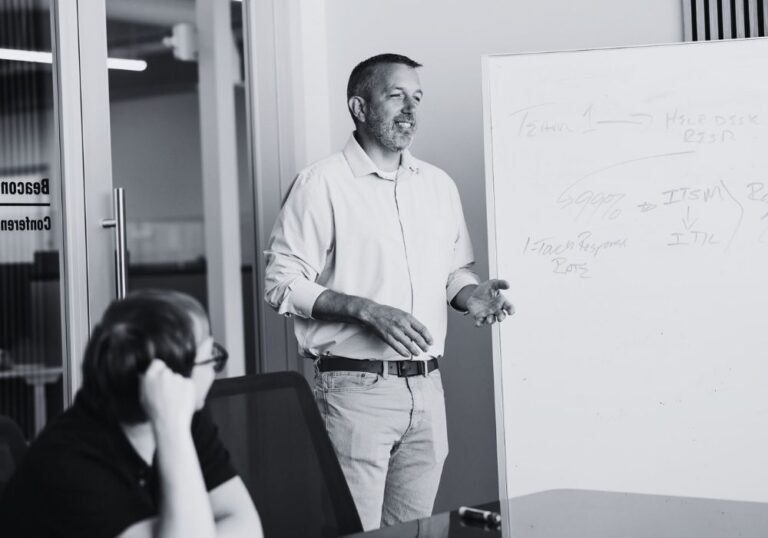
An IT consultant evaluates a company’s technology environment and recommends practical improvements based on its current needs and future objectives.
Common IT consulting services include:
IT assessments: Reviewing hardware, software, networks, infrastructure, and existing technology processes to identify potential issues.
Technology planning: Developing strategies for upgrades, replacements, and future investments.
Cybersecurity assessments: Identifying security gaps and recommending improvements that help protect business systems and sensitive information.
Project planning: Helping businesses prepare for cloud migrations, office expansions, software deployments, and infrastructure changes.
IT budgeting: Prioritizing technology expenses and creating plans that reduce unexpected costs.
For example, a company experiencing frequent server problems might assume it needs new equipment. However, an IT assessment could reveal that its existing infrastructure can be improved or that a different solution would better support its needs.
Through IT consulting services, businesses can evaluate these options before committing to a major investment.
When Should a Business Consider IT Consulting?
Businesses don’t need to experience a major technology failure before seeking professional guidance. In many cases, consulting is most valuable when an organization is preparing for change.
1. When Technology Is Getting Outdated
Older servers, aging workstations, and unsupported software can create performance problems and security vulnerabilities.
An IT consultant can evaluate which systems need attention first, helping businesses prioritize upgrades rather than replacing everything at once.
2. When a Business Is Growing
Adding employees, opening another location, or adopting new applications can place additional demands on existing infrastructure.
For example, a dental practice opening a second office may need to evaluate network connectivity, secure access to patient records, and communication between locations.
Planning these requirements early can help reduce complications during expansion.

3. When an Internal IT Team Is Overwhelmed
Many organizations rely on one or two IT employees to manage everything from help desk requests to cybersecurity and major projects.
When daily responsibilities consume most of their time, important technology planning can fall behind.
IT consulting provides additional expertise for evaluating complex decisions. Businesses needing ongoing assistance can also consider co-managed IT services, which allow an outside provider to work alongside their existing team.
4. When Cybersecurity Needs Improvement
Cybersecurity involves more than installing antivirus software. Businesses need to consider access controls, employee training, backups, network protection, and recovery planning.
An IT consultant can help evaluate existing safeguards and identify improvements that deserve attention.
Organizations can then build on those recommendations through ongoing cybersecurity services.
IT Consulting vs. Managed IT Services: What's the Difference?
Although IT consulting and managed IT services often work together, they serve different purposes.
IT consulting focuses on planning and decision-making. Consultants evaluate technology environments, recommend improvements, and help organizations prepare for changes.
Managed IT services focus on ongoing technology management. Providers handle responsibilities such as monitoring, maintenance, troubleshooting, cybersecurity, and employee support.
For example, an IT consultant might help a business develop a three-year technology roadmap, while a managed IT provider maintains the systems and supports employees throughout that period.
Some organizations need both.
At Workplace by Direct, our managed IT services combine ongoing support with proactive technology management and strategic guidance. Our flat-rate support model also helps businesses budget for covered IT services with fewer unexpected expenses.
What Should Businesses Expect From an IT Consulting Process?
Effective IT consulting should start with understanding the business, not recommending specific products.
A consultant should first learn how an organization operates, what technology it currently uses, and where existing systems may be creating problems.
From there, the process typically involves evaluating the technology environment, identifying risks and opportunities, and developing recommendations based on business priorities.
Those recommendations should lead to a practical technology roadmap that considers budgets, implementation timelines, and long-term needs.
Businesses should also understand who will handle implementation and how their systems will be supported after improvements are completed.
A good technology plan shouldn’t simply identify what needs to change. It should provide a clear path for making those changes.

How Workplace Approaches IT Consulting
Technology decisions are easier when businesses have access to professionals who understand both the technical environment and the people relying on it.
Since 1997, Workplace by Direct has supported organizations with practical IT solutions and responsive local service. With offices in Sioux Falls, Aberdeen, and Rapid City, our team works with businesses throughout South Dakota and the surrounding region.
Our approach begins with understanding your existing technology, business challenges, budget, and future plans.
Whether you’re evaluating aging infrastructure, strengthening security, or preparing for expansion, we help identify priorities and develop a realistic path forward.
Because Workplace also provides ongoing IT management, cybersecurity, network support, and project assistance, our team can help carry out many of the recommendations that come from the consulting process.
Make Your Next Technology Decision With Confidence
IT consulting helps businesses move beyond reacting to problems and start making technology decisions with a clearer understanding of their needs.
Whether you’re planning an upgrade, preparing for growth, or looking for a second opinion on your IT environment, the right guidance can help you make better decisions before investing in new technology.
Ready to discuss your technology needs? Click here to contact our team and find out how Workplace can help your business move forward.